Lemonade Jug SVG Clipart for Crafts & Graphics
First Impression: Bright, Playful, and Instantly Thematic
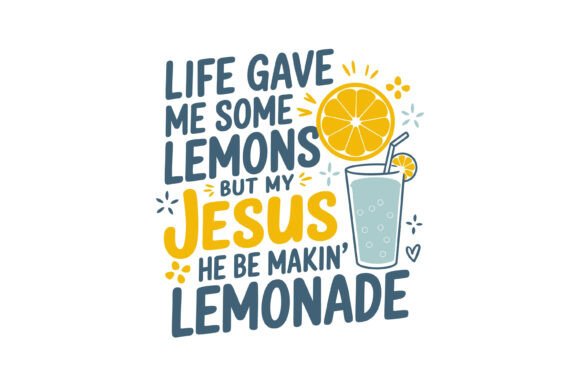
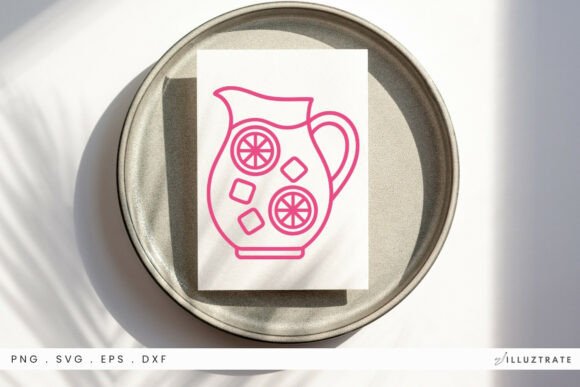
When I opened Lemonade Jug SVG Clipart for a client project—a summer-themed launch for a small-batch artisanal beverage brand—I immediately felt the mood shift. It’s not just a jug; it’s a visual shorthand for refreshment, nostalgia, and handmade charm. The linework is confident but relaxed—slightly rounded, with subtle hand-drawn texture in the SVG paths. No rigid geometry, no sterile vector perfection. That’s intentional. This graphic design asset leans into warmth and approachability, making it ideal for creative design that prioritizes emotional resonance over clinical precision.
A Real Client Fit: From Farmers’ Market Labels to Instagram Story Kits
The client needed cohesive visuals across packaging design, social media graphics, printable event signage, and a limited-edition sticker sheet for their pop-up booth. Lemonade Jug SVG Clipart anchored the entire system—not as a logo (it’s too illustrative for that), but as a recurring motif that unified tone and seasonality. In product mockups, it scaled beautifully on glass bottle labels and kraft paper tags. On Instagram posts, paired with a clean sans serif headline and soft peach background, it elevated otherwise simple copy into something editorial and inviting. As a sublimation design for cotton tote bags or ceramic mugs, it held crisp detail without needing heavy outlining—thanks to its well-structured vector paths and generous negative space.
Where It Shines: Hero Graphics, Themed Collections & Decorative Accents
Lemonade Jug SVG Clipart excels in large layout areas: hero sections of landing pages, full-bleed Pinterest pins, oversized printable wall art for café spaces, and bold Cricut projects like vinyl decals for storefront windows. Its friendly silhouette reads instantly at scale, and the gentle curves support rhythm in themed collections—think coordinated SVG bundles for “Summer Sips” or “Farmhouse Refresh” branding kits. As a decorative accent, it adds personality without overwhelming: tucked into corners of Canva templates, layered behind handwritten quotes in blog visuals, or repeated as a subtle pattern in packaging design backgrounds.
Where to Use It Thoughtfully
Don’t force it into minimalist branding systems or corporate marketing visuals—it lacks the neutrality required for high-end professional services or finance clients. Avoid placing it in crowded layouts where fine details (like the subtle lemon wedge inside the jug) get lost. On low-contrast designs—say, light yellow on cream—it can fade unless you adjust stroke weight or add a soft drop shadow. And while it works beautifully with script fonts and friendly display fonts, it clashes with ultra-thin serifs or rigid geometric sans serifs unless intentionally juxtaposed for contrast.
Design Performance Across Mediums
In t-shirt design, it printed cleanly even on textured fabrics—no pixelation, no jagged edges. As a sticker design, the clean cut lines made die-cutting effortless on Cricut machines. For web design, the SVG rendered sharply on all devices, and the transparent PNG version (when included) layered flawlessly over gradient backgrounds. In editorial design for a seasonal newsletter, it added visual relief between dense paragraphs without distracting from readability. As part of an Etsy product listing, it helped convey handmade business authenticity faster than stock photography ever could.
Practical Designer Notes Before Client Use
- Test in black and white: Confirm legibility without color—especially important for print-on-demand applications where grayscale options matter.
- Check contrast on light and dark backgrounds: Preview on actual mockups, not just your design canvas.
- Scale rigorously: Zoom out to 10% to test small-size clarity (e.g., app icons or tiny social avatars); zoom in to 400% to inspect path smoothness for large-format printing.
- Verify file formats: Ensure the SVG is truly editable (not rasterized) and that the PNG includes alpha transparency if needed for layered digital products.
- Font pairing tests: Try it beside common type families—Montserrat for modern balance, Pacifico for playful synergy, Cormorant Garamond for vintage contrast.
- Confirm commercial license: Double-check licensing terms before using in any client-facing deliverable, especially for digital sellers or print-on-demand brands.
Impact on Brand Consistency & Audience Engagement
This isn’t just clipart—it’s a strategic visual cue. When used consistently across touchpoints, Lemonade Jug SVG Clipart reinforces seasonal messaging and supports audience recognition. Customers scrolling past an Instagram post, then seeing the same jug on a sticker sheet and later on a mug, subconsciously connect those experiences. That builds trust. It also signals intentionality: this brand understands its aesthetic and invests in cohesive design assets—not generic placeholders. For a handmade business launching a new line, that polish translates directly to perceived value and professionalism.
Final Verdict: A Thoughtful Addition to Your Creative Marketplace Toolkit
Lemonade Jug SVG Clipart won’t replace custom illustration—but it *does* solve real problems fast: tight deadlines, budget-conscious clients, and the need for joyful, on-brand consistency across dozens of touchpoints. It’s a reliable, commercially viable SVG design that feels human-made, not algorithm-generated. Whether you’re building a Canva template for coaches, designing product mockups for an Etsy seller, or crafting social media graphics for a local festival, it delivers warmth, clarity, and craft-forward energy. Just remember: use it with intention, test it thoroughly, and always align it with your client’s voice—not just your own design preferences.