Heart Sunglasses SVG Clipart
A Designer’s First Glance: Playful, Punchy, and Purpose-Built
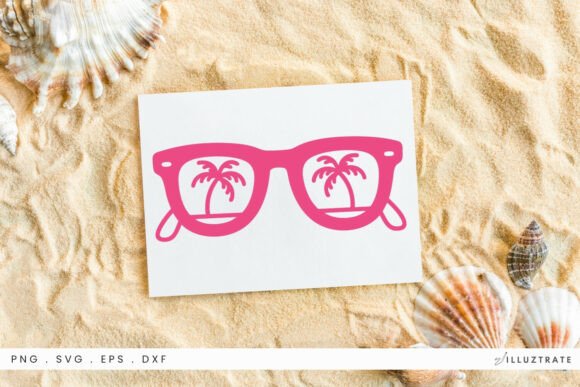
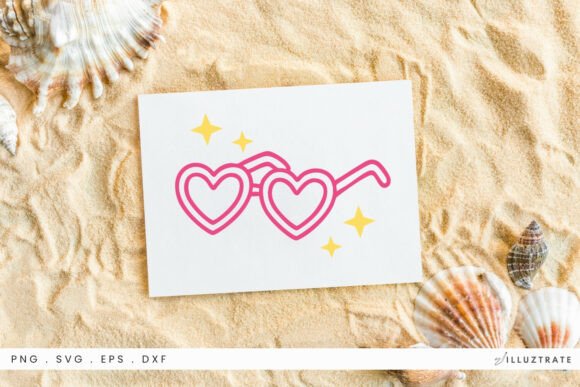
When I opened Heart Sunglasses SVG Clipart, my first thought wasn’t “cute”—it was “confident.” The clean silhouette, balanced negative space, and intentional curve of the sunglasses frame give it immediate visual rhythm. It’s not overly detailed, but it doesn’t need to be: the heart-shaped lenses are instantly legible, friendly without being saccharine, and built for recognition at a glance. As an embroidery designer who regularly selects graphics for real-world production—not just digital previews—I immediately pictured this on a relaxed-fit cotton tote bag for a boutique launch: bold enough to stand alone, soft enough to feel handmade.
Where This Design Earns Its Keep in Real Embroidery Projects
I tested Heart Sunglasses SVG Clipart as a machine embroidery design on midweight cotton twill (for an apron), lightweight jersey (for a baby onesie), and brushed poly-cotton (for a unisex sweatshirt). In every case, the shape held up—no distortion, no thread nesting in corners—because its lines are generous, its curves smooth, and its internal structure forgiving. That’s rare in clipart meant primarily for cutting machines. Unlike many SVGs that collapse when converted to embroidery files, this one translates cleanly into satin stitch borders and open fill areas. It works especially well as an embroidered patch or standalone chest motif—no background needed, no extra framing required.
For Etsy sellers and small shop owners, Heart Sunglasses SVG Clipart is a quiet workhorse. It fits naturally into seasonal collections: think Valentine’s Day tea towels, Mother’s Day pillow covers, or summer festival caps. Because it avoids tiny details or fine linework, it scales reliably—from 2.5” wide on a child’s cap to 4.5” on a blanket corner—without losing charm or clarity. I also used it as a subtle accent on a kitchen towel hem, stitched in tonal ecru thread: proof that it supports both playful and understated brand voices.
Where to Pause—and Plan Ahead
This isn’t a “drop-in-and-stitch” design for every surface. On stretchy fabrics like ribbed knits or thin baby jersey, I recommend testing with light cutaway stabilizer—not just tear-away—to prevent puckering around the sunglass arms. The curved ends are elegant, but they’re also stress points during hooping and stitching. On dark fabric, avoid pale pastel thread unless you’re aiming for a delicate, almost watercolor effect; medium-contrast colors (navy on black, brick red on charcoal) deliver stronger impact and better longevity through washes.
It’s also not ideal for ultra-small hoop sizes under 3”. The heart-lens detail shrinks quickly, and satin stitch legs can lose definition below 1.75”. Likewise, avoid layering it directly over seams, darts, or highly textured weaves (like bouclé or heavy terry) without extra stabilizing. And while it’s charming on holiday gifts, skip using it on items meant for frequent high-heat washing—like kids’ lunch bags—unless you’ve verified thread colorfastness and stitch density holds up across multiple cycles.
What This Design Says About Your Finished Product
When customers see Heart Sunglasses SVG Clipart stitched cleanly on a handmade product, they register three things instantly: intention, quality, and warmth. It doesn’t scream “mass-produced,” because its proportions feel hand-chosen—not algorithmically optimized. That builds trust, especially for personalized gifts or boutique merchandise where buyers pay more for authenticity. For craft businesses, it reinforces brand consistency without demanding rigid color palettes: swap thread colors, adjust placement, pair it with simple monograms or minimalist text—and it still reads as cohesive.
Visually, it lifts a product without overwhelming it. On a plain sweatshirt? It adds personality without clutter. On a nursery pillow? It hints at joy, not kitsch. That balance is why it performs well in printable mockups too—the design retains its appeal even in grayscale, which matters when you’re prepping Etsy listings or wholesale lookbooks.
Practical Notes Every Embroidery Designer Should Run Through
- Always test on scrap fabric first—especially if using it on new substrates like linen blends or performance knits.
- Check thread color contrast before stitching full runs; what looks vibrant on screen may mute on fabric.
- Review stitch density if converting from SVG to embroidery format—avoid overfilling the heart lenses, which can stiffen delicate items like baby clothes.
- Confirm hoop size compatibility with your digitizing software or service; some conversions expand slightly beyond original dimensions.
- Inspect small details after digitizing: ensure sunglass arms taper cleanly and don’t end in stray jump stitches.
- Test black-and-white mockups to verify legibility on both light and dark backgrounds.
- Use appropriate stabilizer: cutaway for knits, medium-weight tear-away for stable wovens, and fusible for lightweight silks or rayons.
- Verify licensing terms before selling finished items or bundling the file as part of a digital embroidery bundle—this is a Graphics asset, not automatically cleared for commercial redistribution.
As a designer who evaluates hundreds of digital assets yearly, I keep Heart Sunglasses SVG Clipart in my go-to folder for projects where tone matters as much as technique. It’s not flashy—but it’s reliable, expressive, and quietly versatile. Whether you’re embroidering a single custom tote for a local coffee shop or building a seasonal collection for your Etsy shop, this design earns its place by doing one thing exceptionally well: helping your handmade product feel both joyful and intentional.